Attached vs Detached Garage: Which Garage Style Suits Your Home Best
- Apr 9, 2026
- Design Inspiration
- 9 minute read
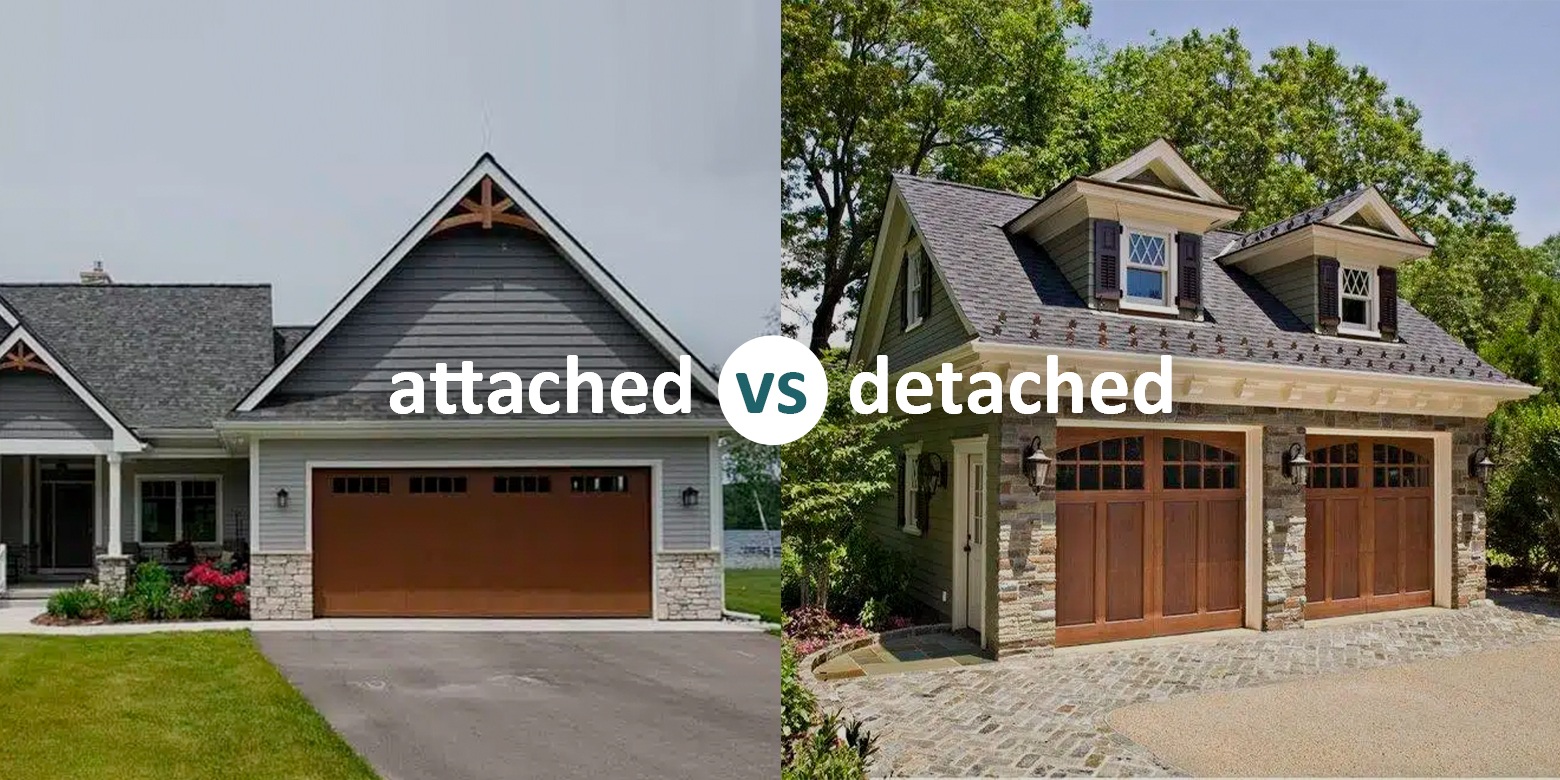
Attached garage vs detached garage: Which is better? Let’s compare attached and detached garages and look at all the factors to consider. As an additional bonus, we’ll show how the right garage door choice complements each option.
Attached vs. Detached Garage: Definitions
First, let’s make sure everyone’s on the same page and define both types of garage.
What’s an Attached Garage?
An attached garage is one that’s physically connected to a home. It typically shares one or more walls with the main living quarters of the house.
What’s a Detached Garage?
A detached garage doesn’t connect to the house. Detached garages don’t share any walls and are completely separate structures.
So, an attached garage is attached to the house; a detached garage is a standalone structure. That’s pretty simple, but this basic difference can lead homeowners to have very different uses and needs from their garages, extending well beyond vehicle storage.
Benefits of Attached Garages
Let’s look at some benefits of this garage type.
Convenience
One potential benefit of an attached garage is that it can be more convenient to access from the house. This is especially true if you live somewhere with cold winters — you wouldn’t have to go outside to get inside your home or access your garage.
Attached garages also offer convenience as storage buildings for the same reason: You wouldn’t have to go outside to access whatever you’re storing.
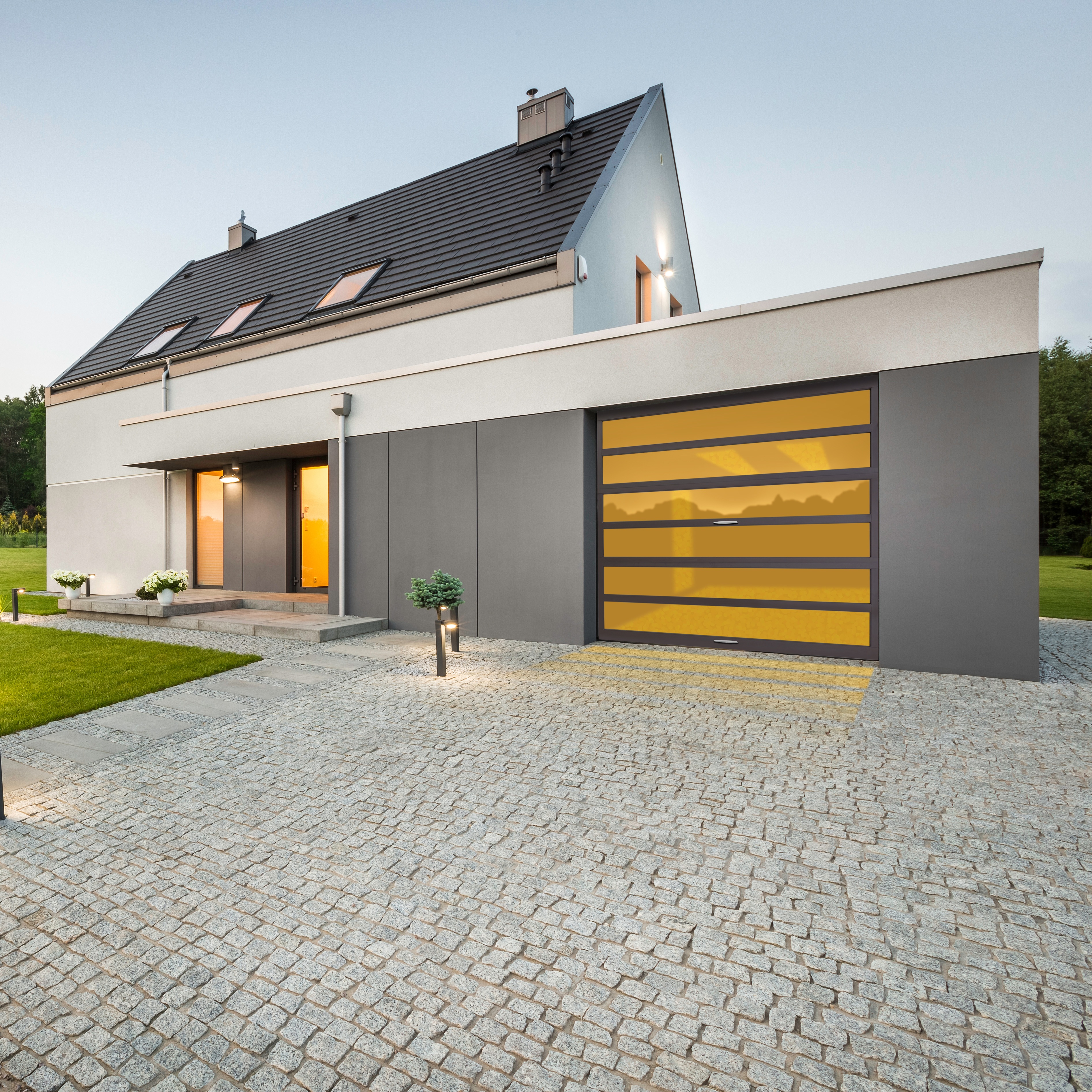
For many homeowners, an attached garage is more convenient.
Easier Utility Connections
An attached garage is often easier to heat and connect to electricity and water. As an attached structure, it’s a relatively simple process to connect to the water pipes or electrical wiring that go to the main house.
Space Utilization
Attached garages can also maximize yard space. At least one garage wall is shared with the house, so the overall footprint will be less difficult to accommodate. But this depends on the layout of your property. For example, if you have a big, beautiful tree beside your house, you may opt for a detached garage so you don’t have to chop it down.
Weather Protection
If you intend to use your garage as an extra living space, an attached garage is easier to shield from the elements. The proper weather protective-siding can shield the garage — and the rest of the house — from the elements, and the shared wall isn’t exposed at all. And with an insulated garage door, the heated or cooled air of the home can’t escape easily.
Benefits of Detached Garages
But what if the garage is a totally separate structure? What are the advantages of this property layout?
Less Pollution Worry
You should never idle your vehicle in your garage, but even if you don’t, there will be some emissions. If you’re concerned about carbon monoxide, a detached garage is less likely to allow fumes into your home. This is also true for any pollution-causing hobbies or other work you may carry out in your garage, such as painting, woodworking, or pottery; the further away your garage is from your home, the less dust, debris, and smoke will transfer over.
Minimized Noise Pollution
Gases aren’t the only kinds of pollution; there are also sounds. Whether you’re worried about being woken by your spouse starting the car to get to work early or concerned about hearing your kids practice with their fledgling rock band, a separate building can keep that noise further from carrying into your home.

Worried about noise? You can build a detached garage further away from your home.
No Disruption to the Appearance of Your House
If you love the way your home looks, you may be hesitant to disrupt the appearance of the existing structure with a garage addition. While many attached garages play a critical role in the look of a home’s facade, detached garages can, at least sometimes, be built behind the house, or to the side.
Of course, a garage could also add to the curb appeal of a home. There are many beautiful detached garage options for design, so adding one could boost your property’s appearance.
Reduced Fire Risk
A fire in a standalone garage is less likely to spread to the house than a fire in an attached garage. This is worth considering if you plan to keep anything flammable in your garage or do any activities that might increase the risk of fire.
Attached vs Detached Garage Cost Comparison
For most families, cost is one of the most important factors. When considering building a new garage, which option is more affordable: an attached or detached garage?
The answer is, predictably, “it depends.” Both garage types can vary in size and materials. A giant attached garage that you use as an additional living area is going to cost more than a small detached garage space that’s essentially a shed. But garage layout affects cost as well as size and material choice.
Detached garages are usually more expensive to build. There are many exceptions, though. For example, one source might find that the average two-car garage with storage and a workspace costs over twice as much when it’s detached — $7,500–$27,040 for an attached garage and $58,430–$86,400 for a detached one. But another source might state detached garages are only 10%–15% more expensive — $16,530–$40,860 for an attached, $19,200–$33,6000 for a detached — with high-end attached garages actually eclipsing their detached counterparts in cost.
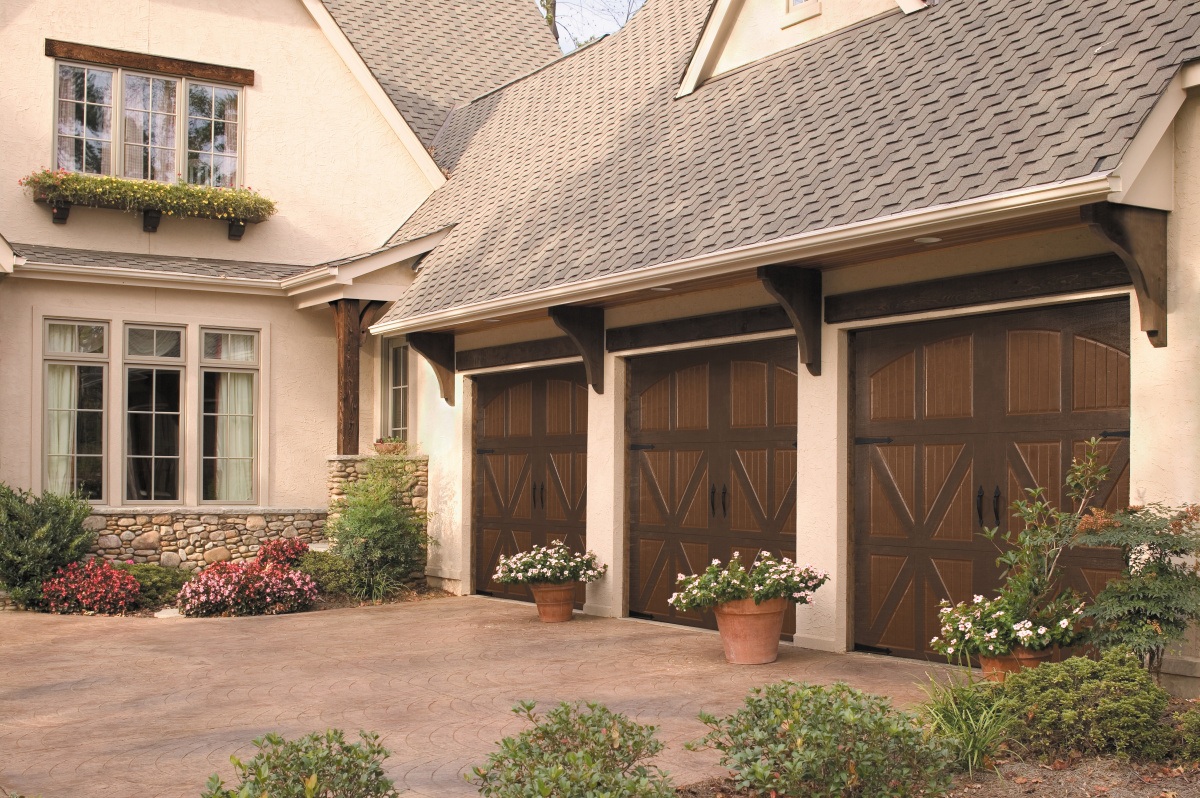
Attached garages are usually less expensive to build, but there are many exceptions.
The upshot: A detached garage is probably more expensive because you have to build four walls instead of three (or two). Furthermore, it takes more work and materials to extend piping and wiring to detached garages. But if you don’t intend to make your detached garage a living space, then the cost discrepancy comes down.
Whatever your choice, make sure to factor in the cost of your garage door. A garage door can also vary considerably in price, depending on insulation, decorative elements, and the garage door opener. Investing in a well-made garage door can increase security, improve the look of your home, and save you money over time on energy bills and garage door repair.
Garage Door Options for Attached vs Detached Garages
There are a wide variety of garage door styles, so you have lots of design flexibility. Whether you want a stylish garage to provide more living space or a simple garage for some extra storage space, a beautiful new garage door can be the perfect complement to your garage. From different colors, materials, and architectural styles, a quality garage door manufacturer will have all the options you’ll need for either garage type.
For attached garages, insulated doors are a major advantage. Without insulation, the garage door can be an epicenter of thermal transfer. The garage door is where outside air can get into the house. So, if you have an existing attached garage, consider an insulated garage door upgrade to conserve energy in the hot and cold months. Furthermore, wind-rated garage doors with impact-resistant windows add exceptional protection for your home and belongings.
While insulated doors provide many benefits, for some detached garages, this may not be the case. A detached structure won’t affect the temperature of the house. If you just want additional storage space to keep your vehicle or other items out of the rain, insulation may not be necessary.

FAQs About Attached and Detached Garages
Here are some frequently asked questions about attached and detached garages:
How Do Weather and Convenience Affect Garage Choice?
For most people, attached garages are convenient because they don’t require going outside to get from the vehicle to the house. However, when building an attached garage, it’s important to consider the weather and climate. Without proper insulation, a garage can let heat escape in the winter and cool air to get out in the summer. That’s why insulated doors can reduce energy costs.
Does an Attached Garage Pose any Safety or Odor Risks?
Potentially, yes. If you intend to handle or store materials in your garage that create unpleasant odors or produce smoke, these smells could potentially get into the house. And if your activities represent a fire hazard, then an attached garage might pose a greater danger. Observing proper safety protocols and using fire-retardant materials can greatly reduce these risks.
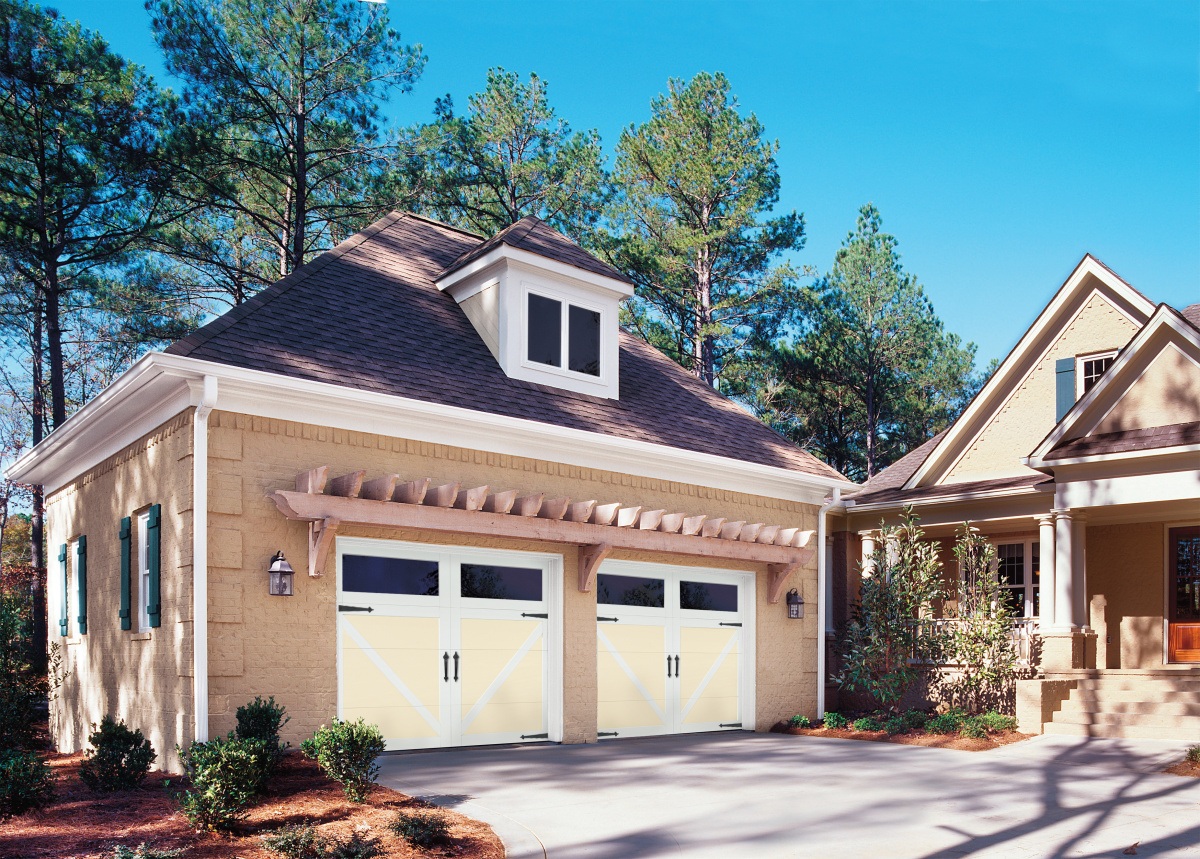
Detached garages are useful for keeping pollutants, noise, and potentially fire further away from your house.
Are Detached Garages Better for Workshops or Multipurpose Use?
Detached garages can be ideal for the reasons mentioned above. If you’re concerned about odors, fire hazards, or noise, a detached garage is the safer option. For noise, remember that an insulated door can help dampen sounds. Either way, it’s important to know how to choose the right garage door for your needs.
How Does Lot Size or Layout Influence Your Decision?
Most attached garages take up slightly less space, but more important than lot size is the layout. Consider obstacles that could get in the way of where you want to build your garage or connecting infrastructure, such as pipes and wiring. It’s important to conduct a proper survey before building.
What Effect Do Garages Have on Home Resale and Property Value?
Garages can have a big effect on property value! Many prospective homeowners want ample storage space, for vehicles, personal property or other uses. Furthermore, a well-designed garage with a beautiful door can increase the curb appeal of a house.
Attached Garage? Detached Garage? Amarr has the Perfect Garage Door for Either
Amarr has a wide range of garage doors perfect for attached and detached garages of varying sizes and layouts. But how can you know how a door will look on your home? Try our design your door tool to test different doors on a photo of your home or one that looks just like it.